
Lease enforcement is a process in rental management that ensures tenants comply with the terms and conditions specified in their lease agreements. For landlords and property managers, effective lease enforcement is essential for maintaining order, protecting property investments, and facilitating a smooth rental experience for both parties.
Why is Lease Enforcement Important?
Enforcing lease agreements is essential to maintaining a professional and legally compliant rental business. Proper lease enforcement helps:
Protect property value: Ensuring tenants follow rules helps prevent property damage and maintain its condition.
Ensure timely rent payments: Holding tenants accountable for payment deadlines helps avoid financial losses.
Prevent lease violations: Addressing issues such as unauthorized occupants, excessive noise, or illegal activities helps maintain a safe environment.
Reduce eviction risks: Proactive enforcement can help prevent situations that lead to evictions, saving landlords time and money.
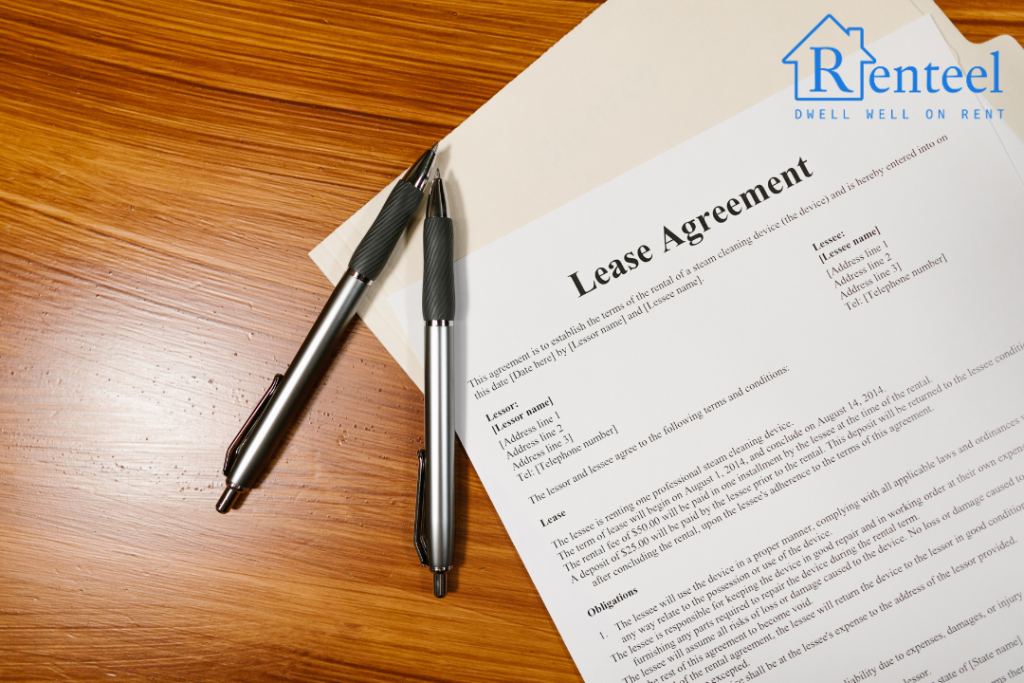
Strategies for Effective Lease Enforcement
Lease enforcement is an important part of property management. It ensures that tenants follow the rules in their lease agreements. When landlords and property managers enforce leases properly, they can keep properties in good condition, avoid disputes, and create a better living experience for everyone. Here are some simple but effective strategies for lease enforcement.
Have a Clear Lease Agreement
A well-written lease should clearly outline rent terms, maintenance responsibilities, noise policies, and rule violations. Ensuring tenants understand these terms before signing prevents future misunderstandings.
Communicate Regularly with Tenants
Maintaining open communication helps prevent lease violations. Sending rent reminders, addressing concerns promptly, and being approachable encourage tenants to follow the lease terms.
Be Consistent and Fair
Enforcing rules equally for all tenants builds trust and prevents disputes. Avoid favoritism or exceptions that could lead to complaints or legal issues.
Conduct Regular Property Inspections
Scheduled inspections ensure tenants follow lease terms and maintain the property properly. Documenting inspections with photos and notes helps track any lease violations.
Act Quickly on Lease Violations
Addressing rule violations immediately prevents bigger issues. Start with a polite warning, then escalate to formal notices if the problem continues. Follow legal procedures if eviction is necessary.
Know the Law and Follow Legal Procedures
Understanding local landlord-tenant laws helps avoid legal risks. Keeping records of payments, notices, and tenant interactions protects landlords in case of disputes.
How Renteel Can Help
At Renteel, we simplify lease enforcement by providing landlords and property managers with the tools they need to manage lease compliance efficiently. Our platform offers:
Automated Rent Collection: Ensure tenants pay on time with automated reminders and secure payment processing.
Digital Lease Tracking: Easily store and manage lease agreements, ensuring quick access to important documents.
Violation Management: Track and document lease violations, send official notices, and maintain records seamlessly.
Streamlined Communication: Our messaging system allows landlords and tenants to communicate clearly, reducing misunderstandings.
Legal Compliance Support: Stay updated with landlord-tenant laws and best practices with expert legal services to avoid legal pitfalls.
By effectively enforcing lease agreements, landlords can create a structured and professional rental environment while protecting their investments. Get in touch with us today and simplify property management effortlessly!
Conclusion
Lease enforcement is a crucial aspect of property management, ensuring that tenants follow the terms of their lease agreements. By enforcing rules fairly and consistently, landlords can maintain order, protect their property investments, and create a positive rental experience for both parties. Effective lease enforcement reduces disputes, encourages responsible tenant behavior, and helps maintain the long-term value of a rental property. When handled properly, it leads to a well-managed and stress-free rental environment.

