

Renting out property is a common practice in India that benefits landlords and tenants. But sometimes, problems arise, and a landlord may need to ask a tenant to leave the property. Evicting a tenant is one of the most challenging tasks a landlord can face, but when it’s necessary, knowing how to evict tenants legally and effectively is crucial. Whether you’re dealing with missed rent payments, lease violations, or problematic behavior, following the proper legal process protects you from liability and ensures a smoother transition.
In this guide, we break down the key steps landlords must take to handle evictions correctly, by the book, with minimal conflict, and in full compliance with local laws.
How to Evict Tenants: What Are the Legal Grounds for Eviction?
Before initiating the eviction process, landlords must establish valid legal grounds. The most common reasons include:
1. Non-Payment of Rent
If tenants repeatedly miss rent payments or refuse to pay, landlords can issue a formal notice demanding payment or begin the eviction process.
2. Lease Violations
Landlords can evict tenants who break lease terms, such as keeping unauthorized pets, subletting without permission, or violating noise rules, if the tenants don’t fix the issue after receiving a notice.
3. Property Damage or Illegal Activity
Intentional damage to the property or engagement in illegal activities (like drug use or criminal behavior) is a serious breach of tenancy and can justify immediate eviction in many jurisdictions.
4. End of Lease Term or Owner Move-In
In some cases, tenants may be evicted once the lease expires, especially if the landlord intends to sell the property or move in personally. Always consult local laws to ensure proper notice is given.
Eviction Process in India: Step-by-Step Guide
Review Local and State Laws
Eviction laws vary significantly between states and municipalities. Before taking any action, landlords must familiarize themselves with local regulations governing:
- ▪️ Eviction notice types and durations
- ▪️ Court filing requirements
- ▪️ Tenant protections and rights
- ▪️ Whether you can evict tenants without a lease
For instance, the eviction process in India differs from that in the U.S. or the U.K., and landlords must follow region-specific legal procedures. In the U.S., tenant eviction laws by state may dictate how long notice must be given or what documentation is required to proceed with legal action.
Provide Proper Written Notice
Issuing the correct written notice is one of the most critical parts of the eviction process. Different types of notices apply depending on the situation:
1. Pay or Quit Notice
Used when a tenant fails to pay rent. It gives them a set number of days to pay or vacate the property.
2. Cure or Quit Notice
Serves as a warning for lease violations. Tenants are given time to correct the issue or face eviction.
3. Unconditional Quit Notice
This notice gives no chance to remedy the problem. It is typically used in severe situations like repeated lease violations or illegal activities.
Always check eviction notice requirements in your jurisdiction. For example, a 30-day eviction notice may be required for month-to-month leases.
File an Eviction Lawsuit (If Necessary)
If the tenant fails to comply with the notice, you’ll need to file a formal eviction lawsuit, often referred to as an unlawful detainer action.
When to Escalate
If rent remains unpaid, the tenant refuses to move, or lease violations continue, legal action is the next step.
How to File
Visit your local court and submit a complaint along with supporting documents like the lease, notices, and records of communication.
Costs and Timelines
Filing fees and court dates vary by location. It typically takes 4–6 weeks to get a court hearing, though landlords looking to evict tenants quickly should ensure all paperwork is accurate to avoid delays.
Attend the Court Hearing
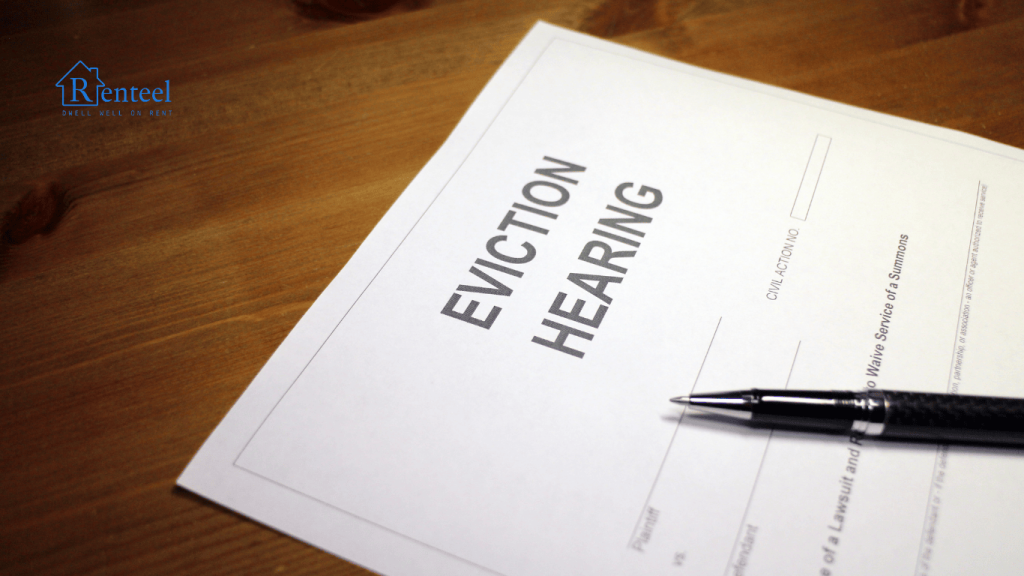
During the court hearing, both the landlord and the tenant must be present. The landlord should come prepared with key documents such as the rent agreement, records of missed payments, notices served, proof of any violations, and relevant communication between both parties.
The judge will review this evidence to decide whether the eviction is legally justified. Tenants also have the right to challenge the eviction, present their evidence, and request additional time to vacate the property. Both sides need to understand the eviction hearing process and know how to present their case clearly and respectfully.
Obtain and Enforce the Eviction Order
If the court rules in your favor, it issues a judgment that allows you to proceed with the eviction. The judge provides a writ of possession, which authorizes law enforcement to remove the tenant from the property. Only law enforcement can legally carry out the eviction. You must not change the locks, turn off utilities, or remove the tenant’s belongings yourself. Taking such actions is illegal and can result in serious legal consequences.
Avoid Common Eviction Mistakes
Even experienced landlords can make costly errors during the eviction process. Some to watch out for include:
- ▪️ Attempting to evict tenants without a lease using illegal tactics
- ▪️ Issuing improperly formatted or mistimed notices
- ▪️ Failing to keep records or document lease violations
- ▪️ Not understanding landlord rights during eviction
- ▪️ Ignoring local eviction moratoriums or tenant protection laws
Avoiding these mistakes helps ensure a smooth, enforceable eviction and protects you from tenant lawsuits.
Consider Alternative Solutions
Before starting the legal eviction process, consider alternative solutions that might resolve the issue more quickly and peacefully. Try using professional mediation services to help you and the tenant reach an agreement, such as setting up a repayment plan or deciding on a mutual move-out date. In some situations, you can offer a cash-for-keys deal, where you pay the tenant to leave the property voluntarily. This approach can often save time, reduce costs, and avoid the stress of going to court.
Conclusion
Knowing how to evict tenants legally and effectively is essential for protecting your rental property and upholding your rights as a landlord. From understanding local laws to providing proper notice and following due process in court, each step must be handled with care and precision. Evictions can be emotionally and financially draining, but by staying informed and avoiding shortcuts, you can manage the process professionally and within the law. When in doubt, consult with a property attorney or legal expert to ensure compliance every step of the way.
For hassle-free rental management services, get in touch with Renteel! Your trusted partner in property management.
Frequently Asked Questions
No. Most jurisdictions require a court order to remove a tenant legally.
It can range from a few weeks to several months, depending on state laws, tenant cooperation, and court availability.
Yes, if proper notice is given and local laws allow it.
Law enforcement must carry out the eviction. Do not attempt to remove tenants yourself.
During government-imposed moratoriums (like those during COVID-19), evictions may be temporarily suspended. Always check current local laws.

