

Whether you’re leasing a home or a commercial property, a well-drafted lease deed is critical for legal clarity and mutual protection. A lease deed spells out the responsibilities and rights of both parties, making it a crucial document in both residential and commercial real estate deals. In this guide, we’ll break down what makes a lease deed valid, what essential clauses it must include, and how to draft or review one with confidence.
What is a Lease Deed?
A lease deed is a written contract between a lessor (property owner) and lessee (tenant) that grants the lessee the right to occupy or use a property for a specific period in exchange for rent. This legally binding agreement clearly outlines the rights, responsibilities, and obligations of both parties.
Unlike a rental agreement, which is generally for 11 months and can be informal, a lease deed is typically used for longer durations (usually 12 months or more). It must be registered to be legally valid.
Lease Deed Meaning in Simple Terms:
It is a formal contract that ensures transparency and legal protection for both parties during a property lease transaction.
When is a Lease Deed Used?
- Leasing residential flats or homes for long durations
- Commercial space leasing
- Industrial property agreements
- Government or institutional leasing deals
Key Features of a Lease Deed
Here are the essential components that must be included in any lease deed draft:
1. Parties Involved
- Lessor: The property owner or landlord
- Lessee: The tenant or person taking the property on lease
2. Lease Term/Duration
- Clearly define the start and end dates of the lease.
- Mention renewal options, if any.
3. Rent Amount and Payment Terms
- Specify the monthly rent
- Due dates and mode of payment
- Penalties for delayed payment
4. Security Deposit and Maintenance
- Amount of deposit collected
- Conditions for refund
- Maintenance charges and responsibilities
5. Obligations and Rights
- Both parties’ responsibilities regarding repairs, utility bills, usage, etc.
- Access rights, subletting clauses, and property usage limitations
6. Termination Clause
- Conditions under which the lease can be terminated early
- Notice period requirements
7. Dispute Resolution Mechanism
- Arbitration or legal jurisdiction in case of disagreements
These features form the core of any lease agreement in India, ensuring that both the lessor and lessee understand their roles and responsibilities.
Standard Format of a Lease Deed
A format of lease deed typically follows a structured layout. Below is a standard structure you can follow when creating a lease deed form:
Lease Deed Format Sample Sections:
▪️ Title: “Lease Deed”
▪️ Date and Place of Execution
▪️ Details of Lessor and Lessee (Name, Address, ID Proof)
▪️ Description of the Property
▪️ Lease Duration
▪️ Rent and Security Deposit
▪️ Rights and Duties of Both Parties
▪️ Terms of Renewal
▪️ Termination Clause
▪️ Dispute Resolution Clause
▪️ Signatures of Both Parties
▪️ Witness Signatures
You can find a printable lease deed form online or consult a legal expert for a customized lease deed draft tailored to your situation.
Legal Requirements for a Valid Lease Deed
To ensure your lease deed is legally enforceable, it must fulfill certain legal conditions:
1. Stamp Duty and Registration
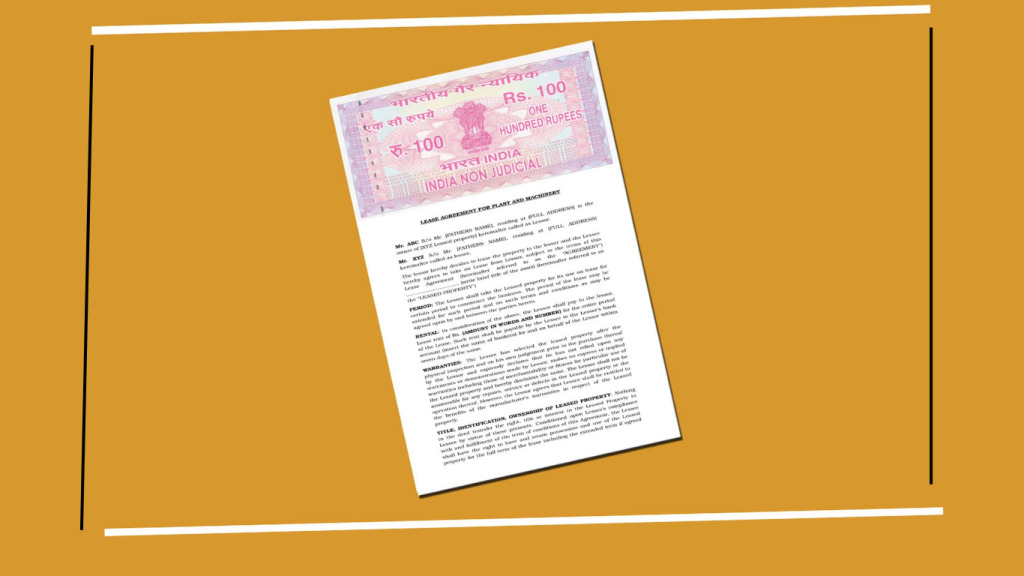
✔️ Lease deeds exceeding 11 months must be registered under the Indian Registration Act.
✔️ Stamp duty varies by state and is usually a percentage of the annual rent plus security deposit.
2. Signing and Witnessing
✔️ Both parties must sign the document.
✔️ Two witnesses must attest to the document.
3. Registration of Lease Deed
✔️ Visit the local sub-registrar office with the signed deed, identification documents, and proof of stamp duty payment.
✔️ Pay applicable registration charges.
✔️ This step provides legal sanctity to the document.
Failing to comply with these legal requirements can render the lease deed invalid in court.
Common Mistakes to Avoid in a Lease Deed
✔️ Many people make critical errors while drafting or signing a lease deed. Avoid these common pitfalls:
Not Registering the Lease
✔️ Legal Requirements for a Valid Lease DeedLegal Requirements for a Valid Lease Deed
Missing Key Clauses
✔️ Vague or omitted terms can lead to disputes later.
✔️ Always define payment terms, renewal, and termination conditions.
Using Outdated or Generic Templates
✔️ Laws change, and one-size-fits-all formats may not cover your specific needs.
Ignoring Local Tenancy Laws
✔️ Stamp duty and legal obligations vary by state in India. Always verify state-specific laws.
Conclusion
A well-drafted lease deed safeguards the interests of both landlords and tenants. From defining property use to handling disputes, it lays the foundation for a clear, transparent relationship. Understanding the lease deed ensures you don’t fall prey to legal loopholes or disputes in the future. Always use a proper lease deed format, register the document when required, and avoid common mistakes. When in doubt, consult a legal professional to create a custom lease deed draft tailored to your needs.
Looking for reliable property management services? Get in touch with us today.
Frequently Asked Questions
For leases longer than 11 months, yes. It must be registered to be legally valid.
A lease deed is typically for long-term arrangements and must be registered, while a rent agreement is often for 11 months and may not require registration.
While it can be drafted on plain paper, it must be printed on stamp paper of appropriate value for registration.
It may not be enforceable in court, and you may lose your legal rights over the property or agreement.

